Welding Accident Lawyer in California
More Than 20 Years Representing Injured California Workers
Welders may suffer a serious injury in one incident or develop symptoms after repeated exposure to fumes, radiation, and hazardous working conditions. Alvandi Law Group, P.C. represents injured California workers with immediate injuries and gradually diagnosed occupational conditions.
The firm has represented injured workers for more than 20 years and recovered over $1 billion for clients. Founder Gil Alvandi has personally litigated or supervised thousands of California injury matters. For complex cases, the firm’s in-house Clinical Advisory Board includes professionals in neuroscience, psychology, and public health who provide medical insight relevant to injury and workers’ compensation matters.
Call (800) 980-6905 or contact us for a free consultation with our welding accident lawyer in California.
Welding Injuries and Occupational Exposure Conditions
A welding injury doesn’t always begin with a single, easily documented accident. Thermal burns, electric shock, falls, and eye injuries may occur during a particular shift. The effects of metal fume exposure may become apparent only after symptoms develop or a physician connects them to the worker’s job.
Welding-related claims may involve:
- Thermal burns: Contact with molten metal, sparks, heated surfaces, or flame can injure exposed skin and deeper tissue.
- Electric shock: Welding equipment can expose a worker to electrical current, sometimes resulting in burns or a fall.
- Arc eye: Also called welder’s flash or photokeratitis, arc eye is an eye condition associated with ultraviolet radiation exposure during welding.
- Metal fume exposure: Inhaled fumes can create occupational health concerns that may not be identified after one shift or incident.
- Manganese exposure: Manganese encountered in welding and other industrial work is associated with neurological concerns.
- Confined-space hazards: Welding in an enclosed area can involve hazardous fumes, gases, or oxygen-deficient conditions.
Repeated exposure may support a cumulative trauma or occupational illness claim. Cumulative trauma is an injury or condition caused by repetitive work or exposure over time rather than one identifiable accident. Medical findings, work history, exposure information, and the timing of symptoms can become important when the claims administrator evaluates whether the condition is job-related.
Potential Benefits for Injured California Welders
Available benefits depend on the medical evidence, employment circumstances, disability status, and acceptance of the claim. The firm evaluates each potential benefit without assuming that every worker qualifies.
A claim may include:
- Medical care: Necessary care for an accepted work injury is described as covered at 100 percent.
- Temporary disability: Wage-replacement payments are generally described as two-thirds of the worker’s average weekly wage, subject to a cap.
- Permanent disability: Benefits may be available when a work injury causes lasting impairment.
- Supplemental job displacement benefit: An eligible worker who can’t return to their usual job may receive up to $6,000 for qualifying retraining or education.
- Death benefits: Eligible dependents may pursue benefits when a work injury results in a worker’s death.
The type and duration of benefits can change as care progresses and physicians assess work restrictions. Disputes may concern whether the injury occurred at work, which care is authorized, or how much disability the medical evidence supports.

See Our Success Stories
-
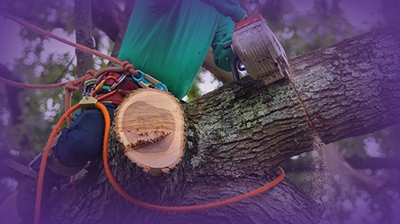
 $5,400,000 Tree Trimming Accident
Secured $5,400,000 for a client injured following a tree trimming accident.
-
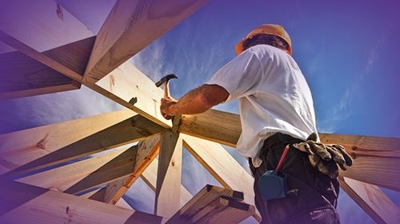
$4,400,000 Construction Site Accident
Achieved $4,400,000 for a client harmed in a construction site incident.
-
$1,500,000 Construction Site Accident
Won $1,500,000 for a client involved in a worksite accident.
-
$850,000 Roofing Injury
Obtained $850,000 for a client involved in a roofing injury case.
-
$700,000 Office Work Injury
Obtained $700,000 compensation for a client who suffered an office-related injury.
-
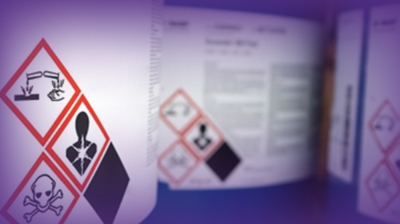
$700,000 Chemical Exposure



Filing a Welding Accident Claim in California
An injured worker is usually expected to notify the employer within 30 days of an accident or diagnosis. After receiving notice, the employer must provide a DWC-1 claim form within one working day. Submitting this form formally begins the claim process.
The usual sequence includes reporting the injury, submitting the claim form, receiving authorized care, and waiting for the insurer’s review. A claims administrator generally has 90 days to accept or deny a filed claim. If no decision is issued during that period, the injury is generally presumed covered.
These claims generally have a one-year filing deadline measured from the date of injury, the last indemnity payment, or the last treatment provided, whichever is latest. For cumulative trauma or occupational illness, the filing period generally begins when the worker knew or should have known that the condition was work-related. Because the applicable date can be disputed, workers shouldn’t assume that a gradual-exposure claim is timely or too late without reviewing the facts.
Medical and Disability Disputes
A disputed claim may involve an Agreed Medical Examination, an evaluation performed by a physician selected by both sides. Other possible stages include a deposition, formal disability classifications, and a determination of Maximum Medical Improvement, meaning the worker’s condition has stabilized and isn’t expected to improve substantially with further treatment.
These findings can affect temporary disability, permanent disability, ongoing care, and return-to-work questions. Our welding accident lawyer in California manages medical records, claim paperwork, negotiations, and potential proceedings while providing step-by-step guidance.
Claims Against Other Parties After a Welding Accident
Workers’ compensation and claims against other responsible parties follow different rules. Workers’ compensation generally addresses an employment-related injury without requiring an allegation that the employer was negligent. A separate injury claim may arise when someone other than the employer, such as an equipment manufacturer or another contractor, contributed to the accident.
That separate claim generally has a two-year filing deadline, which differs from the workers’ compensation filing period. Alvandi Law Group, P.C. handles both personal injury claims and workers’ compensation cases, allowing the firm to examine whether the same welding accident presents separate legal options.
Coverage Questions for Contract Welders
Employment classification can affect workers’ compensation coverage. Independent contractors and self-employed workers may be excluded, but a worker’s label doesn’t always resolve the legal question. The actual working relationship may require review when coverage is disputed.
Other possible exclusions identified in California coverage information include most unpaid volunteers, most sole proprietors or partners, certain family members working for family-owned businesses, specified domestic workers, and certain agricultural workers. Eligibility depends on the worker’s circumstances and the applicable coverage rules.
Discuss a California Welding Injury Claim With Alvandi Law Group, P.C.
The firm is available 24/7 and charges no attorney’s fee unless benefits or compensation are recovered, reducing the financial barrier to having a claim evaluated.
Clients can communicate through secure texting in more than 145 languages. The firm can review an accident, exposure diagnosis, disputed claim, or coverage question through a consultation requested by phone or through the contact form.
Call (800) 980-6905 or contact Alvandi Law Group, P.C. to speak about a welding injury or occupational exposure claim.